
The culinary world is perpetually in flux, with innovation often arriving from the most unexpected quarters. One such frontier, emerging not from the stovetop but from the laboratory, is the application of ultrasonic cavitation. This sophisticated physical phenomenon, long a tool in industrial cleaning and medical therapy, is now demonstrating a profound capacity to transform the very architecture of our food. By harnessing high-frequency sound waves, chefs and food scientists are beginning to manipulate textures, intensify flavors, and accelerate processes in ways previously confined to science fiction, heralding a new era of precision gastronomy.
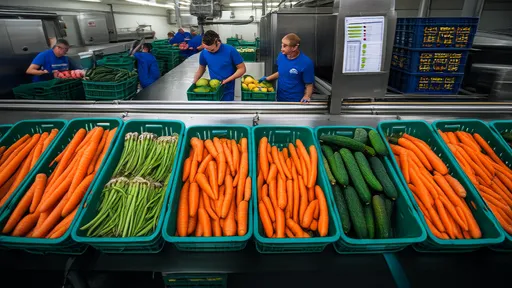
The global food system has long operated on a foundation of aesthetic perfection, discarding up to one-third of all produce solely for cosmetic imperfections. This practice, deeply embedded in agricultural supply chains for decades, has created a staggering economic and environmental burden. In recent years, however, a powerful counter-movement known as the "Ugly Food Movement" has emerged, challenging these norms and advocating for the commercial viability of misshapen fruits and vegetables. While the ethical and environmental arguments for this shift are compelling, the transition necessitates a fundamental and costly restructuring of the existing supply chain. This analysis delves into the intricate economic ledger of this movement, examining the capital required to rebuild a system designed for uniformity to one that embraces diversity.

In the quiet moments before sleep claims the day, a simple ritual is gaining traction among those seeking clarity and purpose: the practice of writing a "Three for Tomorrow" note. This deceptively straightforward habit involves jotting down three specific, actionable items to accomplish the following day. Unlike sprawling to-do lists that often induce more anxiety than productivity, this minimalist approach focuses on intentionality, creating a roadmap for the next day that is both manageable and meaningful. The practice serves as a mental offload, a way to park tomorrow's priorities so the mind can truly rest, unburdened by the swirling thoughts of what needs to be done.
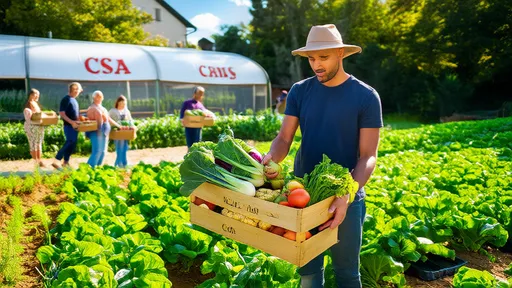
In the quiet predawn hours, while most households still slumber, a different kind of rhythm pulses through the heart of Community Supported Agriculture. Farmers move with practiced efficiency under the stark glow of warehouse lights, their hands swiftly sorting just-picked carrots, bundling vibrant kale, and carefully nestling fragile eggs into cartons. This weekly ritual, repeated across thousands of farms, forms the backbone of a movement that promised to redefine our relationship with food. The CSA model emerged as a beacon of agricultural idealism—a direct partnership between grower and eater that promised freshness, transparency, and sustainability. Yet behind the crates of radiant produce lies a complex web of challenges that threaten the very foundations of this beloved system.

By / Aug 29, 2025

By / Aug 29, 2025

By / Aug 29, 2025

By / Aug 29, 2025

By / Aug 29, 2025

By / Aug 29, 2025

By / Aug 29, 2025

By / Aug 29, 2025
By / Aug 29, 2025

By / Aug 29, 2025

By / Aug 26, 2025

By / Aug 26, 2025

By / Aug 26, 2025
By / Aug 26, 2025

By / Aug 26, 2025

By / Aug 26, 2025

By / Aug 26, 2025

By / Aug 26, 2025

By / Aug 26, 2025

By / Aug 26, 2025

By / Aug 26, 2025

By / Aug 26, 2025

By / Aug 26, 2025

By / Aug 26, 2025

By / Aug 26, 2025
By / Aug 26, 2025

By / Aug 26, 2025

By / Aug 26, 2025

By / Aug 26, 2025

By / Aug 26, 2025