There is nothing more frustrating than pulling a fresh load of laundry from your washing machine only to be greeted by the faint, musty smell of mildew. Peek inside, and you might find the culprit: a ring of black or greenish speckles staining the rubber door gasket. These mold spots are not just an eyesore; they are a sign of a damp environment where mold and mildew thrive, potentially transferring onto your clothes and even affecting your indoor air quality. While commercial cleaners promise a quick fix, many households are turning to a simpler, more natural solution hiding in the pantry: white vinegar.
The rubber seal, or gasket, around your washing machine door is a prime breeding ground for mold. Its primary job is to create a watertight seal during the wash cycle, but this very function traps moisture, along with residual soap scum and fabric softener, in its folds once the cycle ends. This dark, damp, and nutrient-rich environment is a five-star hotel for mold spores, which are ever-present in the air. Over time, these spores settle and multiply, leading to those stubborn black spots and that unmistakable damp odor that can permeate your laundry room.
This is where the humble bottle of white vinegar enters the scene. For generations, vinegar has been a cornerstone of natural household cleaning, celebrated for its disinfecting and deodorizing properties. The magic lies in its acidity. White vinegar, typically containing about 5-8% acetic acid, creates an environment that is hostile to mold and mildew. The acid works to break down the structure of the mold, killing it on contact and helping to lift the stains it leaves behind. Unlike harsh chemicals, vinegar is non-toxic, biodegradable, and safe to use around children and pets, making it an ideal choice for maintaining the appliance that cleans your family's clothes.
The most effective method for tackling established mold spots is a targeted approach known as a spot treatment or a vinegar soak. This isn't about just pouring vinegar into the detergent drawer; it's a focused application that allows the acid time to work its magic on the most problematic areas. You will need a few simple items: plain white distilled vinegar, several clean cloths or paper towels, and an old toothbrush or a small cleaning brush. For particularly stubborn cases, some experts recommend creating a thicker paste by mixing vinegar with a small amount of baking soda, which can provide a gentle abrasive action.
Begin by unplugging your washing machine from the electrical outlet. Safety must always come first when performing any maintenance. Pull the door open and thoroughly examine the rubber gasket. Pull back its folds and flaps to reveal the hidden crevices where mold loves to hide. Take one of your cloths or a paper towel and soak it generously in undiluted white vinegar. Wring it out slightly so it’s wet but not dripping. Then, press this vinegar-soaked cloth directly onto the visible mold spots on the gasket. The goal is to have the vinegar-soaked material maintain full contact with the mildew for an extended period.
This is the crucial "soaking" phase. You want to leave the vinegar-soaked cloths pressed against the moldy areas for a minimum of one hour. For a severe infestation, leaving it overnight is perfectly acceptable and will yield even better results. The extended contact time allows the acetic acid to penetrate the mold colony, killing it at the root and loosening its grip on the rubber surface. You might even notice a slight fizzing sound if you used a vinegar-baking soda paste; this is a normal reaction that aids in the cleaning process.
After the soaking time is up, remove the cloths. You should already see a noticeable difference, with the mold spots looking faded and less prominent. Now, take your brush or old toothbrush, dip it in some fresh vinegar, and gently scrub the treated areas. The brushing action will help to dislodge the dead mold and any remaining residue. For the tightest crevices, using the tip of the brush or even a toothpick can be helpful. Once you've scrubbed the entire seal, take a clean cloth dampened with fresh vinegar and wipe down the entire gasket to remove any last traces of mold and cleaning solution.
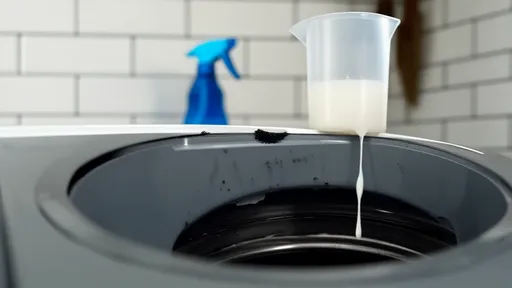
To complete the process, it is essential to run a cleaning cycle through your machine. This will rinse away any dislodged mold particles or vinegar that may have dripped into the drum. Pour two cups of white vinegar directly into the empty drum and run a hot water cycle on the longest and strongest setting. This final step ensures the entire machine's interior is sanitized and deodorized, leaving everything fresh and clean.
The true secret to a mold-free washing machine is not the cleaning itself, but consistent prevention. Mold is a persistent foe, and without a change in habits, it will quickly return. The single most important practice is to leave the washing machine door and the detergent drawer slightly ajar after every use. This simple act allows air to circulate freely inside the drum and around the gasket, enabling all the internal components to dry out completely between cycles, effectively robbing mold of the moisture it needs to grow.
Furthermore, make a habit of wiping down the rubber gasket with a dry microfiber cloth after you finish your laundry for the day. This quick, 30-second task removes the fresh film of moisture and residue before it has a chance to stagnate. Incorporating a monthly maintenance wash with vinegar can also keep things fresh. Just run an empty hot cycle with two cups of vinegar to dissolve any internal soap scum or mineral deposits and inhibit new mold growth before it starts.
While white vinegar is a powerful and natural cleaner, it is always wise to consider a few precautions. Always perform a spot test on a small, hidden area of the rubber gasket first to ensure it does not cause any discoloration or damage, though this is exceedingly rare. The smell of vinegar is strong but harmless and will dissipate completely after the rinse cycle and airing out. It is also important to note that while vinegar is excellent for routine maintenance and mild-to-moderate mold, extremely severe, persistent mold growth—especially in a front-load washer—could indicate a deeper mechanical issue, such as a clogged drain pump or filter, which may require professional attention.
In the endless battle against household mold, white vinegar stands out as a champion. It is affordable, effective, and safe for your home and the environment. The technique of spot-soaking the rubber gasket tackles the problem directly at its source, breaking down mildew and eliminating odors without the need for expensive chemicals or abrasive scrubbing that can degrade rubber. By adopting this simple cleaning method and coupling it with proactive habits like leaving the door open, you can protect your appliance, ensure your clothes come out smelling truly fresh, and extend the life of your washing machine for years to come.

By /Aug 26, 2025
By /Aug 26, 2025
By /Aug 26, 2025
By /Aug 26, 2025

By /Aug 26, 2025

By /Aug 26, 2025
By /Aug 26, 2025

By /Aug 26, 2025

By /Aug 26, 2025

By /Aug 26, 2025

By /Aug 26, 2025

By /Aug 26, 2025

By /Aug 26, 2025

By /Aug 26, 2025

By /Aug 26, 2025

By /Aug 26, 2025

By /Aug 26, 2025

By /Aug 26, 2025

By /Aug 26, 2025

By /Aug 26, 2025