In the realm of child safety and product design, one seemingly minor component has garnered significant attention from manufacturers, parents, and regulatory bodies alike: the humble battery compartment security screw. These specialized fasteners, often requiring unique drivers not commonly found in household toolkits, represent a critical line of defense in the ongoing effort to protect curious young children from the hidden dangers within their toys.
The primary impetus behind the adoption of these screws is the grave risk posed by button batteries. These small, shiny, coin-shaped power sources are incredibly appealing to toddlers and infants, who often explore their world orally. If ingested, the consequences can be catastrophic. Upon contact with bodily fluids, the battery can create an electrical current that causes severe chemical burns in just two hours, leading to devastating tissue damage, perforations, and even fatalities. The security screw is a physical barrier, a deliberate obstacle designed to delay or prevent a child's access long enough for an adult to intervene.
This design choice is far from arbitrary; it is a direct response to sobering statistics and advocacy. Organizations dedicated to child safety have long documented the dangers of button battery ingestion, pushing for stricter standards. Their efforts have been instrumental in shaping regulations worldwide, making tamper-resistant battery compartments a de facto requirement for toys and other consumer electronics accessible to children. The evolution of this feature is a testament to how product design can and must adapt to mitigate real-world hazards.
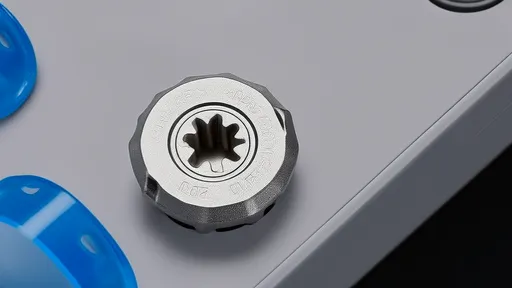
Manufacturers employ a variety of screw head designs to achieve this security. The most common types include the Torx with a central security pin (often called Torx TR), the tri-wing, the spanner (or snake-eye), and the tamper-resistant Phillips with a center pin. Each design shares a common goal: to frustrate standard flathead and Phillips screwdrivers. The specific choice often depends on the toy's size, cost, and the manufacturer's supply chain, but the underlying principle remains universal—to require a specialized, uncommon tool.
For parents and caregivers, this safety feature introduces a new minor challenge: accessibility for legitimate battery replacement. The frustration of not having the correct driver on hand when a beloved toy loses power is a common experience. This has led to a niche market for "security screwdriver bit sets," which are now readily available online and in some hardware stores. Many child safety advocates recommend that parents purchase such a set and keep it in a secure location, separate from regular tools, thus maintaining the security intent while allowing for necessary adult access.
The effectiveness of these screws is a topic of continuous evaluation. While they are not an impenetrable fortress—determined older children or teens might eventually circumvent them—their true target demographic is the vulnerable under-three age group. For these youngest children, the security screw presents a nearly insurmountable physical challenge, effectively buying precious time. The design is a psychological as well as a physical barrier; the unusual appearance of the screw head signals to an older child that this compartment is not meant to be opened casually.
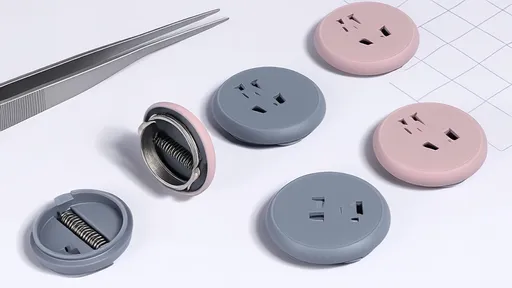
Looking forward, the technology of child safety is not static. Some companies are exploring even more integrated solutions, such as battery compartments that require two independent, simultaneous actions to open—like sliding a latch while depressing a button—a task far beyond a toddler's motor skills. Others are experimenting with robust snap-fit designs that eliminate the screw altogether but require significant adult force to open. The security screw, however, remains a widely adopted, cost-effective, and proven first generation of this critical safety technology.
In conclusion, the unassuming battery compartment security screw is a powerful example of thoughtful, life-saving design. It embodies a principle where a minor inconvenience for adults is willingly accepted to create a major safeguard for children. Its widespread adoption highlights the toy industry's collective responsibility and responsive evolution in the face of preventable dangers. It stands as a silent guardian on countless playthings, a small metallic sentinel ensuring that the joy of a toy is never overshadowed by tragedy.

By /Aug 26, 2025

By /Aug 26, 2025

By /Aug 26, 2025

By /Aug 26, 2025
By /Aug 26, 2025

By /Aug 26, 2025
By /Aug 26, 2025

By /Aug 26, 2025
By /Aug 26, 2025

By /Aug 26, 2025

By /Aug 26, 2025

By /Aug 26, 2025

By /Aug 26, 2025

By /Aug 26, 2025

By /Aug 26, 2025

By /Aug 26, 2025
By /Aug 26, 2025

By /Aug 26, 2025

By /Aug 26, 2025

By /Aug 26, 2025