In households across the globe, the humble pet food bowl sits quietly in kitchens and utility rooms, often overlooked in daily cleaning routines. Yet this simple vessel plays a critical role in our pets' health and wellbeing. While most pet owners conscientiously provide fresh food and clean water daily, many remain unaware of the invisible threats lurking in their pets' dishes - bacteria, mold, and biofilm that can accumulate rapidly in food residue and moisture. The common practice of quick rinsing or occasional washing proves insufficient against these persistent contaminants.
Veterinary researchers and animal health specialists have increasingly turned their attention to this overlooked aspect of pet care. Studies conducted at several veterinary schools have revealed alarming bacterial counts in pet bowls, even those perceived as "clean" by their owners. The findings consistently demonstrate that standard cleaning methods fail to eliminate dangerous pathogens like Salmonella, E. coli, and Staphylococcus, which can thrive in the microscopic scratches and imperfections of plastic, ceramic, and stainless steel bowls.
The emerging gold standard in pet bowl hygiene involves a surprisingly simple yet highly effective method: daily sanitization through hot water washing at high temperatures. This process goes far beyond merely removing visible food particles. When water reaches temperatures between 70-80°C (158-176°F), it effectively kills most harmful microorganisms that threaten animal health. The thermal shock disrupts cellular structures of bacteria and dissolves biofilm matrices that protect microbial colonies.
Biofilm presents perhaps the greatest challenge in maintaining truly clean pet dishes. This slimy layer develops when bacteria secrete protective polymers that anchor them to surfaces, creating resilient communities that resist general cleaning. These microbial fortresses can harbor pathogens for weeks or months, continuously contaminating fresh food and water. The heat from thorough hot water washing breaks down these polymeric structures, dislodging the biofilm and exposing the bacteria to lethal temperatures.
Pet owners might wonder why soap and scrubbing cannot achieve the same results. While detergent helps remove grease and debris, many microorganisms survive chemical cleaning through various defense mechanisms. Some bacteria form resistant spores; others hide in microscopic surface imperfections. Hot water penetration reaches these hiding places, ensuring comprehensive sanitization. The combination of hot water and detergent proves most effective, as the heat enhances the cleaning power of soap while providing independent antimicrobial action.
The material composition of pet bowls significantly influences cleaning effectiveness. Plastic bowls, while inexpensive and lightweight, develop micro-abrasions over time that become breeding grounds for bacteria. Ceramic bowls with cracked glazes present similar problems. Even stainless steel, often touted as the most hygienic option, requires proper sanitization. High-temperature washing proves particularly crucial for porous materials or damaged surfaces where pathogens find protection.
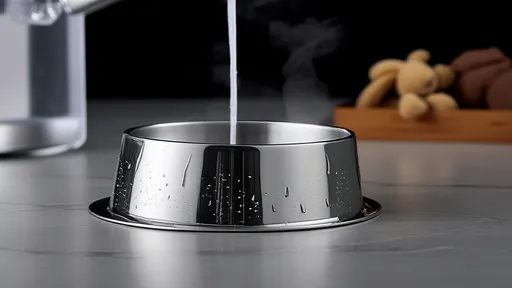
Implementing a daily high-temperature washing routine requires minimal effort but delivers maximum health benefits. The process involves pre-rinsing to remove food debris, followed by washing with detergent in water hot enough to produce steam. For optimal results, bowls should soak in hot water for several minutes before scrubbing and thorough rinsing. This simple addition to daily chores can prevent numerous health issues in companion animals.
The benefits of this practice extend beyond obvious bacterial reduction. Regular hot water washing eliminates food oils that become rancid, preventing digestive upset and maintaining food palatability. It prevents cross-contamination between different food types, particularly important for households feeding raw diets. The process also controls mold growth that can occur in moist environments, especially relevant for water bowls maintained throughout the day.
Pet professionals increasingly advocate for this elevated standard of bowl hygiene. Veterinary nutritionists note that clean bowls encourage better eating habits, as animals sensitive to off odors or tastes may reject contaminated food. Animal behaviorists have observed that some pets display food aversion not due to picky eating but because they associate certain bowls with gastrointestinal discomfort from previous meals eaten from improperly cleaned containers.
The timing of cleaning proves nearly as important as the method. Bowls should be washed immediately after meals rather than left for end-of-day cleaning. Food residue moistens and softens, making immediate cleaning more effective. Leaving bowls unwashed allows bacteria to multiply exponentially and food to dry into hardened deposits that require more effort to remove while providing additional protection for microorganisms.
Special consideration should be given to water bowls, which often receive less attention than food containers. Stagnant water develops bacterial contamination quickly, particularly in warm environments. The same high-temperature washing protocol should apply to water bowls, ideally with more frequent cleaning throughout the day. Automatic water dispensers require particular attention as their complex mechanisms can harbor biofilm in difficult-to-clean components.
Households with immunocompromised pets, whether from age, illness, or medical treatment, must adhere to strict bowl hygiene protocols. Animals with weakened immune systems face greater risk from pathogens that might not affect healthy animals. Similarly, homes with both humans and pets sharing spaces should maintain impeccable bowl cleanliness as some pet bowl contaminants can potentially affect human health, particularly young children or immunocompromised family members.
While the concept of daily hot water washing might seem excessive to some pet owners, the practice establishes patterns that become second nature over time. Integrating pet bowl washing with regular dish cleaning routines creates consistency. Many families find that washing pet bowls alongside human dishes ensures the same standard of cleanliness for all household members, furry or otherwise.
The investment in proper bowl maintenance extends beyond immediate health benefits. Veterinary expenses avoided through preventive care represent significant savings over a pet's lifetime. The emotional benefit of knowing one provides the highest standard of care brings peace of mind to conscientious pet owners. The simple act of thorough daily washing becomes an expression of commitment to animal wellbeing.
As research continues to evolve in pet care standards, the fundamental importance of cleanliness remains constant. The relationship between proper hygiene and animal health proves inseparable. Daily high-temperature washing of pet food and water bowls represents one of the simplest, most cost-effective methods of preventive healthcare available to pet owners worldwide. This small daily commitment yields immeasurable returns in companion animal health and longevity.
By /Aug 26, 2025
By /Aug 26, 2025
By /Aug 26, 2025
By /Aug 26, 2025
By /Aug 26, 2025

By /Aug 26, 2025
By /Aug 26, 2025
By /Aug 26, 2025
By /Aug 26, 2025
By /Aug 26, 2025

By /Aug 26, 2025

By /Aug 26, 2025

By /Aug 26, 2025

By /Aug 26, 2025

By /Aug 26, 2025

By /Aug 26, 2025

By /Aug 26, 2025

By /Aug 26, 2025

By /Aug 26, 2025

By /Aug 26, 2025