As parents and caregivers, we often invest in numerous safety products to childproof our homes, and among the most common are outlet covers or plugs. These small, seemingly simple devices play a crucial role in protecting curious little fingers from electrical hazards. However, what many might not realize is that installing them is only half the battle. The ongoing maintenance, specifically the regular checking of their tightness and integrity, is equally vital to ensure they continue to provide the protection we rely on them for.
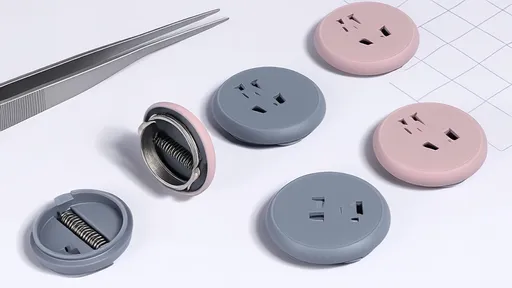
Outlet covers are designed to fit snugly into electrical sockets, creating a barrier that prevents children from inserting objects or their fingers. Over time, though, various factors can cause these covers to become loose. Frequent insertion and removal by adults, changes in temperature and humidity affecting the plastic material, or simply the natural wear and tear can compromise their fit. A loose cover is not just ineffective; it can become a choking hazard if a child manages to pry it out, defeating its very purpose.
The importance of regular checks cannot be overstated. It should be incorporated into your routine home safety practices, much like testing smoke detectors or securing furniture to walls. Make it a habit to gently test each cover every month to ensure it hasn’t worked its way loose. This doesn’t require any special tools or expertise—a simple push with your finger can tell you if it’s still secure. If it wobbles or feels like it could be easily removed, it’s time for a replacement.
When checking, also look for any signs of damage. Cracks, brittleness, or discoloration can indicate that the material is degrading, which might affect its safety and durability. Always choose high-quality, certified safety covers that meet relevant safety standards, as these are more likely to withstand the test of time and maintain their tight fit longer than cheaper, uncertified alternatives.
Beyond the physical check, consider the environment. Outlets in high-traffic areas or those used frequently might require more attention. For instance, covers behind furniture that gets moved often or in rooms where children play regularly could loosen faster. Adjust your checking frequency accordingly—perhaps every two weeks for high-risk outlets, while others might be fine with a monthly inspection.
Education is key. Ensure everyone in the household understands why these checks are important. Older children can even be taught to alert an adult if they notice a cover is loose or missing, turning safety into a shared family responsibility. This collective vigilance helps create a consistently safe environment and reinforces the habit of proactive safety maintenance.
In conclusion, while outlet covers are a fundamental part of childproofing, their effectiveness hinges on regular maintenance. A loose or damaged cover offers a false sense of security, putting children at risk. By committing to a simple, routine check of each cover in your home, you ensure that these small devices continue to provide the critical protection they were designed for, keeping your little ones safe from electrical dangers every day.

By /Aug 26, 2025
By /Aug 26, 2025

By /Aug 26, 2025

By /Aug 26, 2025

By /Aug 26, 2025

By /Aug 26, 2025
By /Aug 26, 2025

By /Aug 26, 2025

By /Aug 26, 2025

By /Aug 26, 2025

By /Aug 26, 2025

By /Aug 26, 2025

By /Aug 26, 2025

By /Aug 26, 2025

By /Aug 26, 2025

By /Aug 26, 2025

By /Aug 26, 2025

By /Aug 26, 2025

By /Aug 26, 2025

By /Aug 26, 2025