In the landscape of global education reform, Japan's integration of its Shokuiku (Food Education) Basic Law into classroom practice stands as a pioneering model of policy-driven curricular transformation. Enacted in 2005, the law emerged from growing concerns over dietary imbalances, the loss of traditional food culture, and increasing lifestyle-related health issues among the Japanese population. Rather than remaining a lofty legislative document, it has been dynamically translated into a living, breathing educational framework that touches the lives of students, teachers, families, and communities. This practical conversion of law into learning offers a compelling case study in how national policy can effectively shape daily educational experiences and cultivate long-term societal values.
The core of this transformation lies in the development of a structured Shokuiku curriculum, which is seamlessly woven into existing subjects like science, social studies, home economics, and moral education. Unlike a standalone add-on, it is treated as a fundamental literacy—akin to reading or arithmetic—essential for navigating modern life. The curriculum is designed to be experiential and age-appropriate. In elementary schools, this might involve children planting vegetables in school gardens, learning to read basic food labels, or participating in communal lunch preparations that emphasize gratitude and etiquette. These activities are not merely about nutrition; they are gateways to understanding ecosystems, cultural heritage, and social responsibility.
As students progress to secondary education, the scope of Shokuiku expands to address more complex issues. Lessons delve into global food security, the environmental impact of agricultural choices, the economics of food distribution, and the science behind food processing and safety. Critical thinking is encouraged through debates on topics such as local versus imported produce, sustainable fishing, or the societal implications of food waste. This approach ensures that students do not just memorize dietary guidelines but develop the analytical tools to make informed, ethical decisions about food throughout their lives.
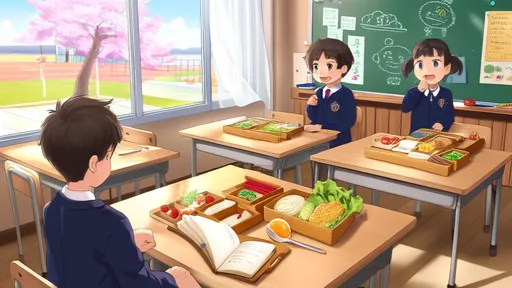
A pivotal element in the practical application of the law is the central role of the school lunch program (kyushoku). Far from a simple cafeteria meal, kyushoku is a daily lesson in itself. Menus are carefully crafted by nutritionists to be balanced and seasonal, often incorporating traditional Japanese dishes to reinforce cultural continuity. Teachers frequently eat with their students, turning mealtime into an opportunity for modeling good habits and fostering discussion about the food's origin, nutritional value, and cultural significance. This practice transforms the lunchroom into a classroom, reinforcing the day's lessons in a shared, social setting.
Teacher training and readiness have been identified as critical success factors. Recognizing that many educators did not receive formal training in food education, the government and local authorities have instituted extensive professional development programs. These workshops equip teachers with not just the knowledge of nutrition and agriculture, but also with the pedagogical skills to facilitate hands-on activities and lead meaningful discussions. This investment in human capital ensures that the policy is delivered with confidence and competence at the chalkface, making the lessons engaging and impactful for students.
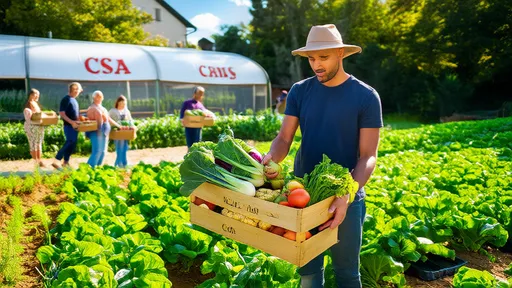
Furthermore, the implementation of the Shokuiku Basic Law actively extends beyond the school gates, fostering robust community and parental involvement. Schools often collaborate with local farmers, fishermen, and chefs, who are invited to give talks or host workshops. Parents are engaged through newsletters, cooking classes, and invitations to participate in school lunch days or harvest festivals. This creates a consistent "food education ecosystem" where the messages children receive at school are reinforced at home and in the wider community, breaking down the barriers between learning and living.
The outcomes of this comprehensive approach are beginning to show promising trends. While long-term data is still being gathered, early studies and anecdotal evidence suggest positive shifts in children's dietary behaviors, including a greater willingness to try vegetables, a better understanding of balanced meals, and a heightened awareness of food waste. Perhaps more importantly, the program has successfully reignited interest in and appreciation for Japan's diverse regional cuisines and culinary traditions among the younger generation, acting as a bulwark against the homogenizing force of globalized fast food culture.
In conclusion, Japan's journey with the Shokuiku Basic Law demonstrates a remarkably effective translation of national policy into tangible educational practice. It moves beyond the simplistic goal of teaching children what to eat, aiming instead to cultivate a holistic food literacy that encompasses health, culture, sustainability, and community. The success of this initiative hinges on its multi-faceted strategy: a well-designed curriculum, the strategic use of school lunch, dedicated teacher training, and strong community partnerships. As other nations grapple with similar issues of public health and cultural preservation, Japan's experience offers a valuable, real-world blueprint for how to educate a generation to eat thoughtfully and live well.

By /Aug 29, 2025

By /Aug 29, 2025

By /Aug 29, 2025
By /Aug 29, 2025

By /Aug 29, 2025

By /Aug 29, 2025

By /Aug 29, 2025

By /Aug 29, 2025
By /Aug 29, 2025
By /Aug 29, 2025

By /Aug 29, 2025

By /Aug 29, 2025

By /Aug 29, 2025

By /Aug 29, 2025

By /Aug 29, 2025

By /Aug 29, 2025

By /Aug 29, 2025

By /Aug 29, 2025

By /Aug 29, 2025

By /Aug 29, 2025